Market Traditions & Everyday Meals

What If the Answer to Your Lunchtime Slump Was Sitting in a Jar at the Farmers Market? A Closer Look at Biblical drink (oil)/ Honey blend

Long before it had a label on a store shelf, Biblical drink (oil)/ Honey blend was something people carried home in a cloth bag from the corner market — part of a kitchen habit, not a medical routine. This page explores that tradition and how it fits into everyday meals, always alongside the guidance of the healthcare professional who already knows your history.

Everyday Nutrition  ·  Daily Habits  ·  Educational Content  ·  Everyday Nutrition  ·  Daily Habits  ·  Educational Content

The Parts of the Day Nobody Talks About

Ask anyone who pays close attention to their meals and they’ll describe a version of the same day: a stretch of steadiness, followed by a stretch that feels harder to explain. These four moments come up again and again in kitchen conversations and market-stall chats about food.

The Question at Every Aisle

Standing in front of the produce section, deciding what belongs in today's basket, can feel less like shopping and more like solving a puzzle with shifting rules. Many people describe this quiet mental tax as the most tiring part of eating well.

The Weight of Every Decision

Breakfast, lunch, dinner, snack — each one arrives as its own small decision, and over a week those decisions add up. It's not the meal itself that wears people down, it's the constant deciding.

The Afternoon Dip

That familiar drop in energy an hour or two after lunch is one of the most commonly described patterns among people who pay attention to how they feel after eating. It shapes afternoons, meetings, and plans without much warning.

Mornings That Start Heavy

For some, the day doesn't ease in — it starts already asking something of them. A sluggish morning before the first meal is a pattern worth noticing, and worth mentioning to the professional who follows your health.

Kitchen Talk vs. What Tradition Actually Says

Market stalls and family kitchens carry a lot of food folklore. Some of it holds up under a closer look, some of it doesn’t. Here’s a plain look at three ideas that come up often.

MYTH

All carbohydrates behave the same way on a plate.

FACT

Carbohydrates come from very different sources — a leafy vegetable, a slice of bread, and a spoon of rice are not interchangeable in a meal, even though they’re grouped under one word.

MYTH

Fruit is something to avoid altogether.

FACT

Fruit has been part of traditional diets for generations, often eaten whole, with skin and fiber intact, alongside other foods rather than on its own.

MYTH

There’s a special category called ‘diabetic food.’

FACT

Most food traditions don’t divide meals into separate categories by condition. They talk about balance, variety, and how a plate is put together — questions best discussed with the professional who knows your full picture.

Three Habits Passed Down at the Table

None of these are rules. They’re habits that show up again and again in the way older generations approached a meal, long before nutrition had a vocabulary of its own.

01

Start With What's Green

In many traditional meals, the vegetables came to the table first — not as a side thought, but as the opening act. Eating them before the rest of the plate is a habit worth simply noticing.

02

Slow Down the Middle of the Meal

A meal eaten over twenty unhurried minutes feels different from one eaten in five. The pace of eating, not just the food itself, is part of what shapes how a meal sits with you.

03

Move a Little After the Plate Is Empty

A short walk, tidying the kitchen, a stroll to the market for tomorrow’s bread — light movement after eating is a habit found across many food cultures, long before it had a name.

A Jar That Traveled From Ancient Markets to Modern Kitchens

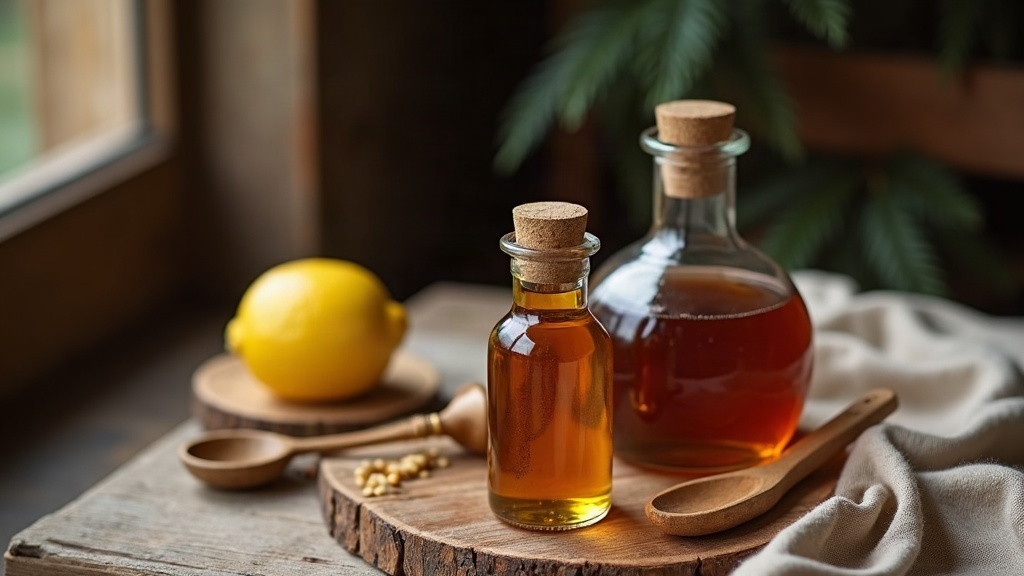
The pairing of oil and honey has a long history in Mediterranean and Middle Eastern kitchens, where both ingredients were staples of daily life and trade. Olive oil was pressed and stored in clay jars, honey was gathered and kept as a prized sweetener, and the two were often blended and drizzled over warm bread, folded into simple grain dishes, or offered to guests as a gesture of hospitality. Market vendors in old trading towns sold both side by side, and home cooks combined them according to family habit rather than any written recipe. This blend shows up in old texts as a symbol of abundance and welcome — a pantry staple passed from one kitchen to the next, tied to ritual meals and shared tables rather than to any medical use.

The story here is culinary and cultural — a piece of food history worth knowing, not a claim about what the blend does inside the body.

Six Everyday Moments Worth Bringing Up With Your Doctor

A Pattern of Afternoon Fatigue

If the same tired stretch shows up after most lunches, that's a pattern worth describing to the healthcare provider who follows your routine, rather than something to interpret on your own.

Meals That Feel Harder to Plan Than Before

If putting together a meal has started to feel more complicated or stressful than it used to, it's worth raising in your next appointment.

Noticeable Changes After Certain Foods

If you consistently notice a difference in how you feel after specific meals, mention the pattern to your doctor rather than adjusting anything on your own.

Questions About a Prescribed Routine

Any uncertainty about a medication schedule, dosage, or timing belongs in a conversation with the prescribing professional — never in a personal trial-and-error.

New Habits You're Considering

Before adding or removing anything meaningful from your meals, it's worth checking with your healthcare provider, especially if you're already following a specific plan.

Changes That Feel Bigger Than Usual

Any shift in energy, appetite, or daily rhythm that feels out of the ordinary deserves a conversation with the professional who already knows your health history — not a guess based on an article.

How Some People Rearranged Their Kitchen Routine

I started going to the Saturday market with an actual list instead of wandering the aisles undecided. Just having a plan for the week made meals feel less like a chore.

Marisol Ferreira
Illustrative account
The biggest change for me wasn't a food, it was the order I ate things in. Vegetables first, then everything else. Small habit, but it stuck.
Dennis Okafor
Illustrative account
I keep a jar of oil and honey blend in the pantry now, the way my grandmother did, mostly for bread on weekend mornings. It's part of the kitchen, not part of any routine my doctor manages.
Priya Anand
Illustrative account

These are individual experiences shared for illustrative purposes only. They describe personal routines, not health outcomes, and results or habits vary from person to person. Always talk to your healthcare provider before changing your diet or any part of a prescribed treatment plan.

Curious Where Biblical drink (oil)/ Honey blend Fits Into Your Kitchen?

This page is meant to inform, not to replace the guidance of the professional who follows your health. Before changing a meal habit, a routine, or anything related to a prescribed treatment, have that conversation with your doctor first.

Advertising Disclosure: This page contains sponsored content and affiliate links. We may receive compensation if you click a link or make a purchase through the links provided on this page. This compensation may impact how and where products or links appear on this site.

Content Disclaimer: The content on this page is provided for educational and informational purposes only. It has not been evaluated by the FDA and is not intended to diagnose, treat, cure, or prevent any disease or health condition. This content does not substitute for professional medical advice, diagnosis, or treatment. Always consult a qualified healthcare professional before making any changes to your diet, routine, or any prescribed treatment.

Results Disclaimer: Individual results and experiences vary. Any testimonials shared on this page reflect personal opinions and routines and are not a guarantee of any particular outcome.

© 2026 · All Rights Reserved